




Welcome to the Hive
What a Naturopathic Doctor Wants You to Know About Mint and Why It Belongs in Your Intimate Care Routine
As a licensed naturopathic doctor, one of the things I love most about herbal medicine is that many of the remedies we use today have centuries of traditional wisdom behind them. Mint is one of those herbs. The latin or “scientific” name for the mint plant is “Mentha” and it encompasses over 25 different species, the two most common being, peppermint (Mentha piperita) and spearmint (Mentha spicata). Long before mint found its way into teas, essential oils, and skincare products, it was used across cultures for its naturally cooling, soothing, and revitalizing properties. Traditionally, mint has been valued for its antispasmodic (helps relax muscle tension and cramping), mild antimicrobial (helps discourage the growth of unwanted bacteria and microbes), analgesic (helps ease discomfort), anti-inflammatory (helps calm irritation and inflammation), diaphoretic (supports the body’s natural cooling process through perspiration), and diuretic (supports fluid balance and elimination) properties, making it a versatile botanical in herbal medicine (Kazemi et al., 2025). In the world of herbal medicine, mint is very much that girl! Because of its refreshing and calming nature, mint has long been applied directly to the skin to support comfort and relief for sensitive or irritated skin. And when it comes to intimate wellness, mint deserves far more attention than it gets!
From a naturopathic perspective, the skin is not separate from the rest of the body. In fact, the skin is the body’s largest organ (by weight) and serves as an important protective barrier, immune interface, and reflection of overall health. That’s why it deserves intentional care and support, especially delicate intimate skin, which can be particularly sensitive to irritation, hormonal changes (including the menstrual cycle, pregnancy, perimenopause, and menopause), and environmental stressors.
When we think about intimate hygiene and cleansing, it’s important to remember that the vulva is external skin tissue and deserves the same thoughtful care we give the rest of the body, if not more. The vulvar area is highly sensitive, richly vascular (meaning it has a significant blood supply), and responsive to changes in hormones, inflammation, stress, heat, and microbiome balance. That’s why I encourage my patients to think intentionally about what they use in their intimate care routines, including whether products are pH balanced, gentle on sensitive skin, supportive of the vaginal microbiome, free from unnecessary irritants, and aligned with what their body may need during different hormonal stages (uh, hello The Honey Pot products 🙂!).
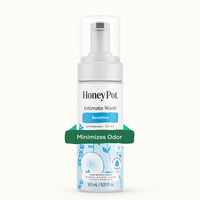
Mint applied topically is particularly helpful in intimate care products because of its naturally cooling and calming properties. Mint-derived ingredients can help soothe feelings of heat, irritation, and discomfort while creating a refreshing sensory experience. In products like The Honey Pot’s Cooling Intimate Wash, menthol and menthyl lactate (both derived from mint) interact with cold-sensitive receptors in the skin known as transient receptor potential melastatin subtype 8 (TRPM8) receptors (Liu et al., 2013). These receptors are responsible for detecting cool sensations, which is why mint-based ingredients create that signature refreshing “ooh-ahh” feeling on contact.
Essentially, these compounds send cooling signals to the nervous system without actually lowering the skin’s temperature. While the skin’s actual temperature may not change significantly, the body perceives a calming cooling effect that can feel incredibly supportive during moments of heat or discomfort. The result is an invigorating, soothing sensation that many people find especially supportive during hot weather, workouts, menstrual cycles, or menopausal hot flashes (Izquierdo et al., 2021;Luu et al., 2024).
As a licensed naturopathic doctor who specializes in women’s health, I appreciate that The Honey Pot Company’s Cooling Intimate Wash is pH balanced, gynecologist tested, menopause friendly, and hormone free. Those distinctions matter. During perimenopause and menopause, estrogen fluctuations can contribute to dryness, increased sensitivity, irritation, and changes in the vaginal microbiome. Many patients are already navigating hormonal shifts and simply want products that support comfort without adding unnecessary hormone exposure or harsh ingredients.
In naturopathic and integrative medicine, we focus on reducing the body’s overall “stress load,” including inflammatory stress, nervous system stress, and environmental stressors. Small daily rituals can play a meaningful role in supporting the body’s natural balance. A cooling, plant-derived intimate care routine may help promote comfort, hydration, and a sense of ease in a way that feels gentle and nourishing rather than disruptive.
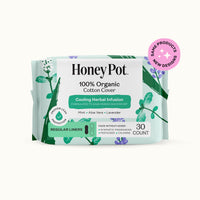
I often remind patients that sustainable wellness is built through consistent, supportive habits. Whether someone is navigating hormonal transitions, post-workout discomfort, sensitivity during summer heat, or simply wants a refreshing reset, mint-based intimate care can become part of a broader whole-body wellness routine that encourages comfort, mindfulness, and self-care. Products like The Honey Pot’s Cooling Intimate Wash make it easier to incorporate plant-derived support into an everyday wellness ritual.
Intimate wellness deserves the same thoughtful care we give the rest of the body.
If you’re interested in learning more about plant-derived intimate care and whole-body wellness, explore The Honey Pot Company’s Reclaiming Wellness platform for more education, support, and resources!
Citations
Izquierdo C, Martín-Martínez M, Gómez-Monterrey I, González-Muñiz R. TRPM8 Channels: Advances in Structural Studies and Pharmacological Modulation. Int J Mol Sci. 2021 Aug 7;22(16):8502. doi: 10.3390/ijms22168502. PMID: 34445208; PMCID: PMC8395166.
Kazemi A, Iraji A, Esmaealzadeh N, Salehi M, Hashempur MH. Peppermint and menthol: a review on their biochemistry, pharmacological activities, clinical applications, and safety considerations. Crit Rev Food Sci Nutr. 2025;65(8):1553-1578. doi: 10.1080/10408398.2023.2296991. Epub 2024 Jan 3. PMID: 38168664.
Liu B, Fan L, Balakrishna S, Sui A, Morris JB, Jordt SE. TRPM8 is the principal mediator of menthol-induced analgesia of acute and inflammatory pain. Pain. 2013 Oct;154(10):2169-2177. doi: 10.1016/j.pain.2013.06.043. Epub 2013 Jun 29. PMID: 23820004; PMCID: PMC3778045.
Luu DD, Ramesh N, Kazan IC, Shah KH, Lahiri G, Mana MD, Ozkan SB, Van Horn WD. Evidence that the cold- and menthol-sensing functions of the human TRPM8 channel evolved separately. Sci Adv. 2024 Jun 21;10(25):eadm9228. doi: 10.1126/sciadv.adm9228. Epub 2024 Jun 21. PMID: 38905339; PMCID: PMC11192081.
Keep reading

Moving Through It: The Benefits of Moving Your Body

